HVAC Tips
Expert Advice For Homeowners




On the Northshore, an air conditioner rarely dies all at once. It warns you first. Most homeowners in Mandeville and Covington call us the week the temperature hits the mid-90s and the humidity turns the air to soup, but by then, the small signs have usually been there for weeks. A slightly warm afternoon. A faint musty smell. A cooling cycle that runs a little longer than it used to.
At Dussor Air Conditioning and Heating, we've been serving St. Tammany Parish and the Greater New Orleans area since 2005 with a repair-first philosophy. Our technicians hold EPA Section 608 Universal certification and are R-410A Safety Certified, and we see the same early-failure patterns season after season. Louisiana's heat and moisture punish cooling equipment harder than most of the country, which is exactly why catching these signs early can save you a July breakdown.
The first signs an air conditioner is starting to fail are usually subtle: weaker cooling, longer run times, higher power bills, odd noises, and unusual smells. These point to a component wearing down, not necessarily a system you need to replace. Catching them early often means a repair instead of an emergency replacement during peak heat.
Common early warning signs include:
When to call a professional: If you notice weak cooling combined with higher bills, hear grinding or electrical buzzing, see ice or standing water, or smell anything burning, have a licensed technician diagnose it before the problem cascades into a larger repair.
Refrigerant is the fluid that actually removes heat from your home, and your system is designed to hold a precise, sealed charge. When a slow leak develops, cooling capacity drops gradually. Homeowners in Mandeville often notice it first as air that feels "okay in the morning but useless by 3 p.m.," or a house that never quite reaches the thermostat setting. You may also see ice forming on the copper lines at the outdoor unit. Leaks happen because coils and joints corrode over time, and our salt-tinged Gulf air combined with constant humidity accelerates that corrosion. The real risk is that running low on refrigerant strains the compressor, the most expensive part of the system. Left alone, a cheap leak repair can turn into a compressor replacement. The U.S. Department of Energy notes that refrigerant problems are among the most common AC failures, and topping off without finding the leak only masks the symptom.
The capacitor is a small cylindrical component that gives the compressor and fan motors the electrical jolt they need to start and keep running. It's one of the first parts to fail in our climate. Homeowners notice it as a hard-starting unit that hums but won't kick on, a clicking sound at the outdoor condenser, or cooling that cuts out on the hottest afternoons and returns when things cool down. Capacitors fail because they're rated for heat, and a black condenser cabinet baking in Louisiana sun all summer runs them well past their comfort zone. When one weakens, motors draw more current trying to compensate, which can burn out a blower or compressor motor, turning a modest part into a major repair. This is one of the most common early-failure calls we get across St. Tammany Parish, and one of the most affordable to fix when caught early.
Your system has two coils, an indoor evaporator coil that absorbs heat and an outdoor condenser coil that releases it. When either gets coated in dust, pollen, or grime, heat transfer drops sharply. The symptom is a system that runs and runs, cools weakly, and drives up the power bill. Homeowners sometimes find the indoor coil frozen into a block of ice. This happens fast on the Northshore because our long cooling season, heavy pollen, and yard debris load up outdoor coils, while high humidity feeds dirt onto damp indoor coils. ENERGY STAR points out that dirty filters and neglected maintenance are leading causes of premature AC decline. The risk isn't just efficiency, a coil starved of airflow overheats the compressor and shortens the life of the whole system.
As your AC cools, it pulls enormous amounts of moisture out of the humid Louisiana air, and that water drains away through a condensate line. When algae or sludge clogs that line, water backs up. Homeowners notice a musty smell, water stains on the ceiling below an attic unit, or a system that shuts itself off (many modern units have a safety float switch). Clogs are extremely common here simply because our humidity means the drain runs almost constantly for months, giving algae a perfect environment. The risk is water damage to ceilings, drywall, and attic decking, often more expensive than the AC repair itself. This is a preventable failure that regular drain-line cleaning catches every time.
Motors move air across the coils, the indoor blower pushes conditioned air through your ducts, and the outdoor fan pulls heat off the condenser. As bearings wear, you'll hear it: grinding, squealing, or a low rattle that wasn't there before. Airflow at the vents weakens, and rooms farthest from the unit stop keeping up. Motors wear from years of continuous run time, and our extended cooling season means Northshore units log far more hours than systems in cooler regions. The danger is that a struggling motor overheats and can trip breakers or seize entirely, leaving you with no cooling. A motor caught while it's just noisy is a scheduled repair; a seized one is an emergency call in August.
The compressor is the heart of the system, it pressurizes refrigerant and drives the entire cooling cycle. Early signs of a tiring compressor include hard starts, tripping breakers, warm air despite a running unit, and a distinct rattling or knocking from the outdoor cabinet. Compressors fail from age, from running low on refrigerant, or from electrical stress caused by other neglected components. Louisiana's punishing run hours mean compressors here work harder over their lifespan. This is the failure homeowners fear most because a compressor replacement is the single most expensive AC repair, which is precisely why the earlier warning signs above matter. Address a leak or a weak capacitor now, and you often protect the compressor for years.
A few safe checks can rule out simple issues before you call:
Safety reminder: Always turn off power at the breaker before touching the outdoor unit, and never open the electrical panel of the condenser or handle refrigerant lines yourself, that work legally requires an EPA-certified technician.
The right call depends on the age of your system, the cost of the fix, and how often it's failing. Our repair-first approach means we recommend replacement only when the numbers genuinely favor it.
Repair when:
Replace when:
When it's genuinely a coin-flip, an honest diagnosis matters more than a sales pitch, which is exactly why our repeat customer rate on the Northshore stays so high.
Every AC issue is different, so these are realistic ranges rather than fixed prices. Your final cost depends on the specific part, your system, and access to the equipment.
Factors that affect price:
Dussor offers financing, and every repair is backed by a 1-year parts and labor warranty with a free return visit if the issue recurs.
When you call Dussor Air Conditioning and Heating, here's what a diagnostic visit looks like:
Covington: the "$10,000 ductwork" that wasn't. An elderly homeowner's son called us after another company, the same one that originally installed her ducts, quoted her nearly $10,000 for full ductwork replacement, claiming everything was falling apart. Our technician inspected the system and found the ductwork was perfectly serviceable. We walked her through why the replacement wasn't necessary, saved her thousands, and she's now a maintenance-plan client.
Slidell: a sabotaged system. A homeowner in her late 80s and her son had a thermostat fail. A previous company left after a pricing disagreement, and when the family installed a thermostat themselves it still wouldn't work. When Dussor arrived, we discovered cut wires that were preventing the thermostat from functioning. We restored the wiring and got their cooling running correctly again.
Mandeville: smoke smell and undersized ducts. A young family bought a home from longtime smokers, and even two years later the cigarette odor lingered through the vents. We also found the ductwork sized for a 2-ton system on a home that needed 4 tons. We resized the ductwork, cleaned the equipment that was staying, and installed a UV air purification system to tackle the odor at the source.
The most common first sign is weaker cooling paired with longer run times, especially in the hot part of the afternoon. On the Northshore, homeowners often notice the house won't quite reach the thermostat setting during peak heat. This usually points to low refrigerant, a weakening capacitor, or dirty coils, all of which are far cheaper to address early than after they strain the compressor.
Constant running with weak cooling usually means your system can't transfer heat efficiently, often from dirty coils, low refrigerant, or a clogged filter. Our extended cooling season and heavy humidity make coil and filter issues especially common here. Replace the filter and clear the outdoor unit first; if it continues, have a technician check refrigerant and coils.
Yes, ice on the refrigerant lines or indoor coil signals a real problem, usually low refrigerant or restricted airflow. Turn the system off to let it thaw and prevent compressor damage, then call a professional. Running a frozen unit strains the compressor, which is the most expensive component to replace, so don't ignore it.
Most systems last around 12 to 15 years, but our long, humid cooling season and salt-influenced air can shorten that without regular maintenance. Units in Mandeville, Covington, and Slidell log far more run hours than systems in cooler climates. Twice-yearly maintenance meaningfully extends lifespan and catches early-failure signs before they become breakdowns.
Repair if it's a minor component and the unit still cools well; consider replacement if the compressor fails, repairs are recurring, or the fix approaches half the cost of a new system. Age alone isn't a reason to replace. At Dussor, we diagnose honestly and recommend replacement only when the numbers genuinely favor it.
Yes, routine maintenance is the single best way to prevent early failures. Cleaning coils, clearing the condensate line, testing capacitors, and checking refrigerant catch small problems before they cascade. Our WEX maintenance plans include two visits per year plus priority scheduling and a 10% discount, and they're transferable if you sell your home.
In Louisiana, HVAC work must be performed by a licensed contractor regulated by the Louisiana State Licensing Board for Contractors. Dussor Air Conditioning and Heating holds Louisiana HVAC Contractor License CL.79859 and is fully licensed, bonded, and insured. Always verify a contractor's license before allowing refrigerant or electrical work on your system.
If your air conditioner is showing early warning signs, weaker cooling, higher bills, odd sounds, or that first musty smell, catching it now is almost always the cheaper, easier path. The team at Dussor Air Conditioning and Heating has served Mandeville, Covington, Slidell, and the greater Northshore since 2005 with honest, repair-first diagnostics and no pressure to replace what can be fixed.
Call George and the Dussor team at (985) 259-1266 or schedule online at dussorair.com. Licensed, bonded, insured, and backed by a full parts-and-labor warranty, let's get your home comfortable again.
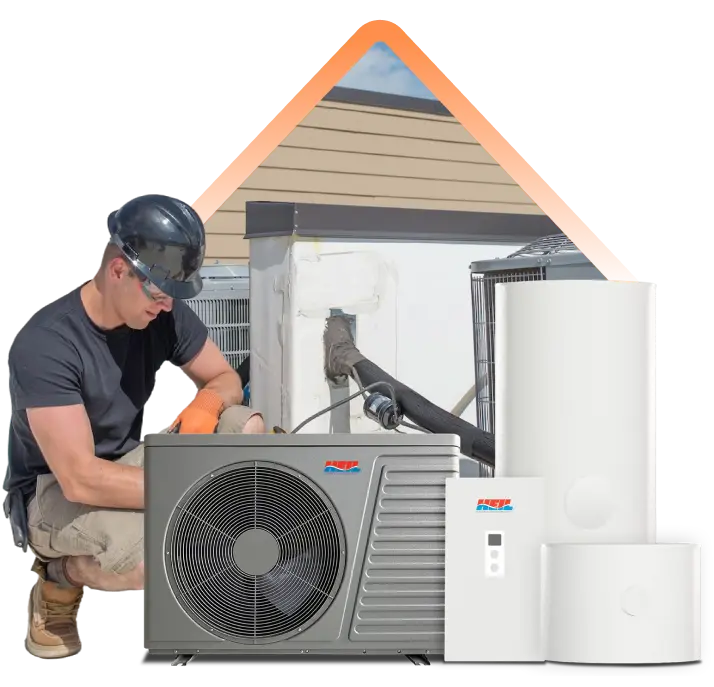
Homeowners throughout , Louisiana trust Dussor A/C and Heating because we focus on quality work and dependable service. Heating and cooling systems are essential for daily comfort, and our team works hard to ensure every service call delivers reliable results.
We take pride in showing up prepared, diagnosing issues accurately, and completing repairs or installations with attention to detail. Our technicians respect your home, communicate clearly, and work efficently to restore your system's performance. From routine maintenance visits to urgent system repairs, we treat every job with the same level of care.
Our company is committed to building long-term relationships with the homeowners, landlords, and property managers we serve. With repair warranties, maintenance plans that include priority scheduling and discounts, and responsive same-day service, you can rely on Dussor A/C and Heating whenever you need professional service in , Louisiana.


If your heating or cooling system isn’t performing the way it should, the team at Dussor A/C and Heating is ready to help. We deliver dependable services for homeowners, landlords, and property managers throughout , Louisiana, providing professional solutions designed to restore comfort and improve system performance.
Whether you’re dealing with a failing air conditioner, an unreliable heating system, or concerns about your home’s indoor air quality, our highly skilled technicians will carefully evaluate the issue and recommend the right solution. We focus on honest, transparent recommendations and efficient service, giving you confidence in every step of the process.
Our team offers same-day service when available, free estimates for new equipment, and flexible financing options with approved credit through Wells Fargo to make larger projects easier to manage. We also provide customized maintenance plans with priority scheduling and exclusive discounts, helping keep your system operating at peak performance year after year.
Don’t wait for comfort problems to get worse. Contact Dussor A/C and Heating today to schedule professional service in , Louisiana. Call (985) 259-1266 now to speak with our team and experience the dependable heating and cooling service you can trust.